The three numbers
Almost every frame carries a marking like 52□18-140 inside one temple arm. In order:
- Lens width (52 mm here) — the horizontal width of one lens. The biggest driver of how a frame looks and how much of your field it covers.
- Bridge width (18 mm) — the gap between the lenses. This is the number that decides whether the frame sits on your nose or slides down it.
- Temple length (140 mm) — the arm, from hinge to tip. Too short and it pinches behind the ear; too long and the frame slips forward.
Some frames also list lens height, which matters if you need progressives — there has to be enough vertical lens for the reading zone.
How to use them
The reliable method is comparison, not measurement of your face. Take a pair you find comfortable, read its numbers, and treat those as your target. Within about 2 mm on lens width and bridge, and about 5 mm on temple length, you will get a similar fit. Outside that range, expect the frame to feel different.
If you own nothing to compare against, the practical alternative is to try frames on in a shop — even one you do not intend to buy from — and write down the numbers from anything that fits well. Ten minutes there makes online ordering considerably safer.
Signs a frame does not fit
- It slides down your nose. The bridge is too wide, or the nose pads need adjusting.
- Red marks either side of the nose after an hour. Bridge too narrow, or pads set too tight.
- Pressure behind the ears. The temples are too short, or the arms need bending outward slightly.
- The lenses touch your eyelashes. The frame sits too close; you need more curvature or longer nose pads.
- You can see the frame edge in your peripheral vision constantly. The lens width is wrong for your face, and this is the fit error most likely to be quietly annoying for months.
Most of these are adjustable. An optician will heat and bend a frame to fit in a few minutes, usually free, and usually even if you did not buy it there. This is the single most underused service in eyewear.
Materials, plainly
Acetate
Plant-derived plastic, the standard for chunky frames. It is warm against the skin, holds colour and pattern well, and can be heat-adjusted for fit. It cracks rather than bends under force, so a sat-on pair is usually a dead pair.
Metal
Thinner and lighter-looking, usually with adjustable nose pads, which gives you a second axis of fit adjustment that acetate frames lack. Wire frames tolerate bending better than acetate tolerates cracking. The pads perish over a year or two and are cheaply replaced.
Titanium and flexible polymers
The premium options: lighter, more corrosion-resistant, and in the case of memory alloys and polymers, able to return to shape after deformation. If you break frames regularly this is where the money is well spent — though note that it buys durability, not optical performance.
Hinges are worth a glance
Spring hinges flex outward past the normal opening angle, which is forgiving of one-handed removal and of faces slightly wider than the frame. Plain barrel hinges are simpler and have fewer failure points but loosen over time — the screws in any hinge benefit from a quarter turn with a small screwdriver every few months.
Next: keeping the lenses in good condition.
Where frame quality actually differs
The two ends of the range, so you can see what the extra money buys in hinges, materials and sizing options.
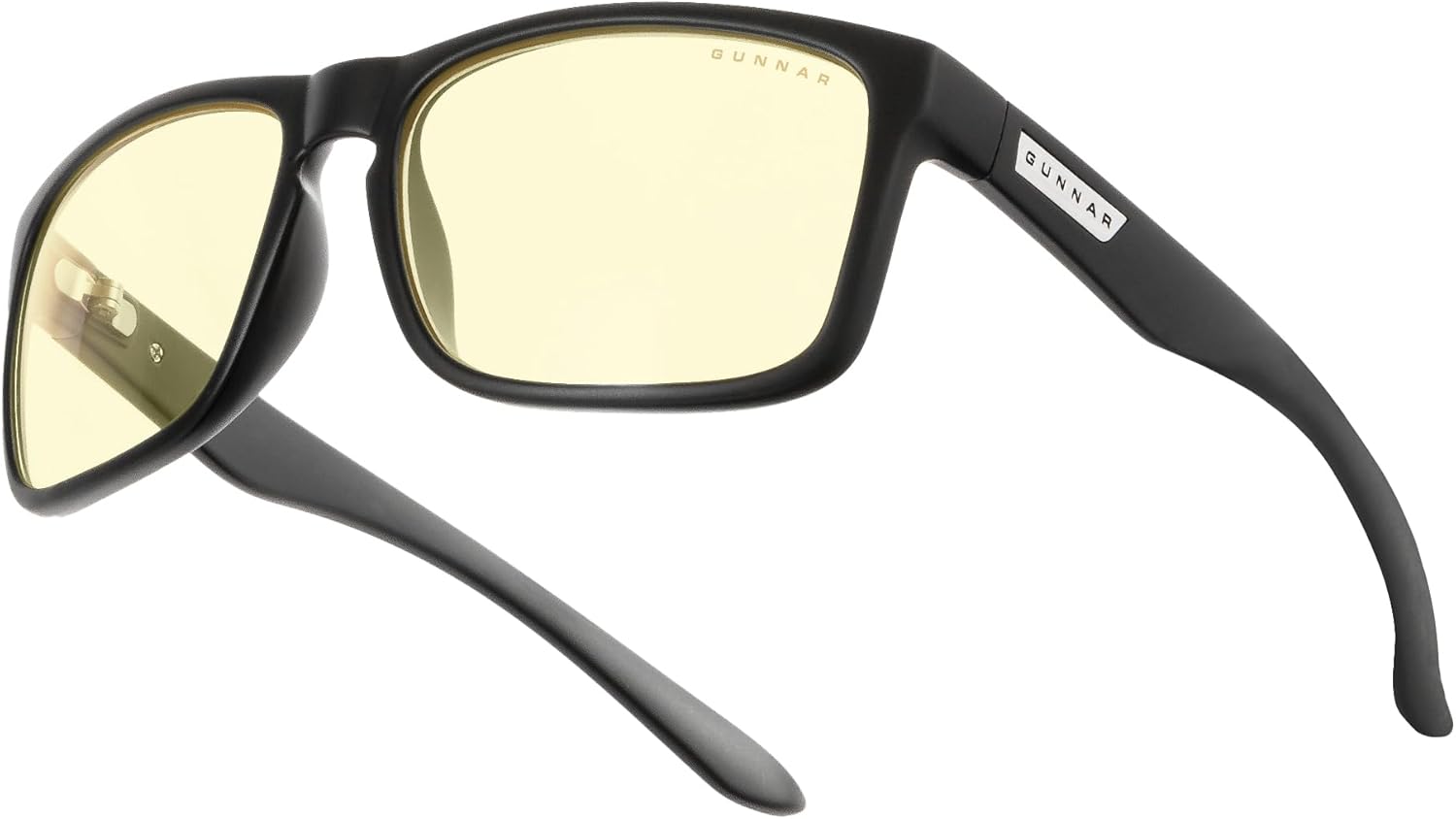
Best Overall
GUNNAR Gaming Eyewear
Usually $60 and up
The frame that lasts, from the one brand that publishes its numbers. Buy it once you know you will wear a pair.
Check current priceRead the full review
Best Budget
TIJN Blue Light Frames
Usually under $25
The cheap way to find out whether you will actually wear these. Ordinary frames, ordinary price, no pretence.
Check current priceRead the full review
Affiliate links — we earn a commission if you buy, at no extra cost to you, and it does not change what we recommend. How we evaluate · disclosure