Why dry wiping is the main culprit
Airborne dust is largely mineral, and mineral particles are harder than lens coatings. Wiping a dry, dusty lens drags those particles across the surface under pressure, which is a reasonable description of how you would deliberately sand something. The fine web of scratches people notice after a few months almost always came from this, not from dropping the glasses.
The rinse step exists to float the particles off before anything touches the surface. It is the part of the routine that matters most and the part most often skipped.
The routine
- Rinse both sides under lukewarm running water. Not hot — heat is what crazes coatings.
- Put a small drop of plain dish soap on your fingertips and work it gently over both lens faces, the nose pads and the temple tips.
- Rinse thoroughly.
- Dry with a clean microfibre cloth, patting rather than scrubbing.
- Wash the microfibre cloth every few weeks, without fabric softener — softener leaves a residue that smears.
What damages coatings
- Your shirt, a paper towel, or a tissue. All are abrasive at this scale, and paper products are worse than fabric.
- Hot water, saunas, and leaving glasses on a car dashboard. Thermal stress crazes coatings into a fine crackle pattern that cannot be repaired.
- Household glass cleaner and alcohol wipes. Ammonia and high-concentration alcohol attack coating layers. If a listed lens spray does not specify that it is safe for coated lenses, do not use it.
- Setting the glasses down lens-first. An obvious one, and still the second most common source of scratches.
- Carrying them loose in a bag. Keys and a lens are not compatible.
Storage and small maintenance
A hard case is worth the inconvenience; a soft pouch protects against dust but not against being sat on. Take glasses off with two hands — one-handed removal is what loosens and eventually twists a frame, and a twisted frame sits unevenly, which people then misread as a lens problem.
Check the hinge screws every couple of months and give them a quarter turn with a jeweller's screwdriver if they have loosened. Silicone nose pads perish and yellow after a year or two of daily wear; they cost very little to replace and most opticians will do it while you wait.
Normal wear versus a fault
A few fine scratches after a year of daily use is ordinary. What is not ordinary, and what is usually covered by a manufacturer's warranty:
- Crazing — a fine crackle across the coating — appearing within the first year without heat exposure.
- The coating peeling or delaminating at the edges.
- A visible haze that does not clear after a proper wash.
These are coating failures rather than wear, and they are worth raising with the seller. Keep the receipt; most warranties in this category run a year and most sellers will replace rather than argue.
Related: frame materials and fit.
If a pair keeps failing on you
Care routine aside, some frames simply outlast others. This is the best-built option we cover.
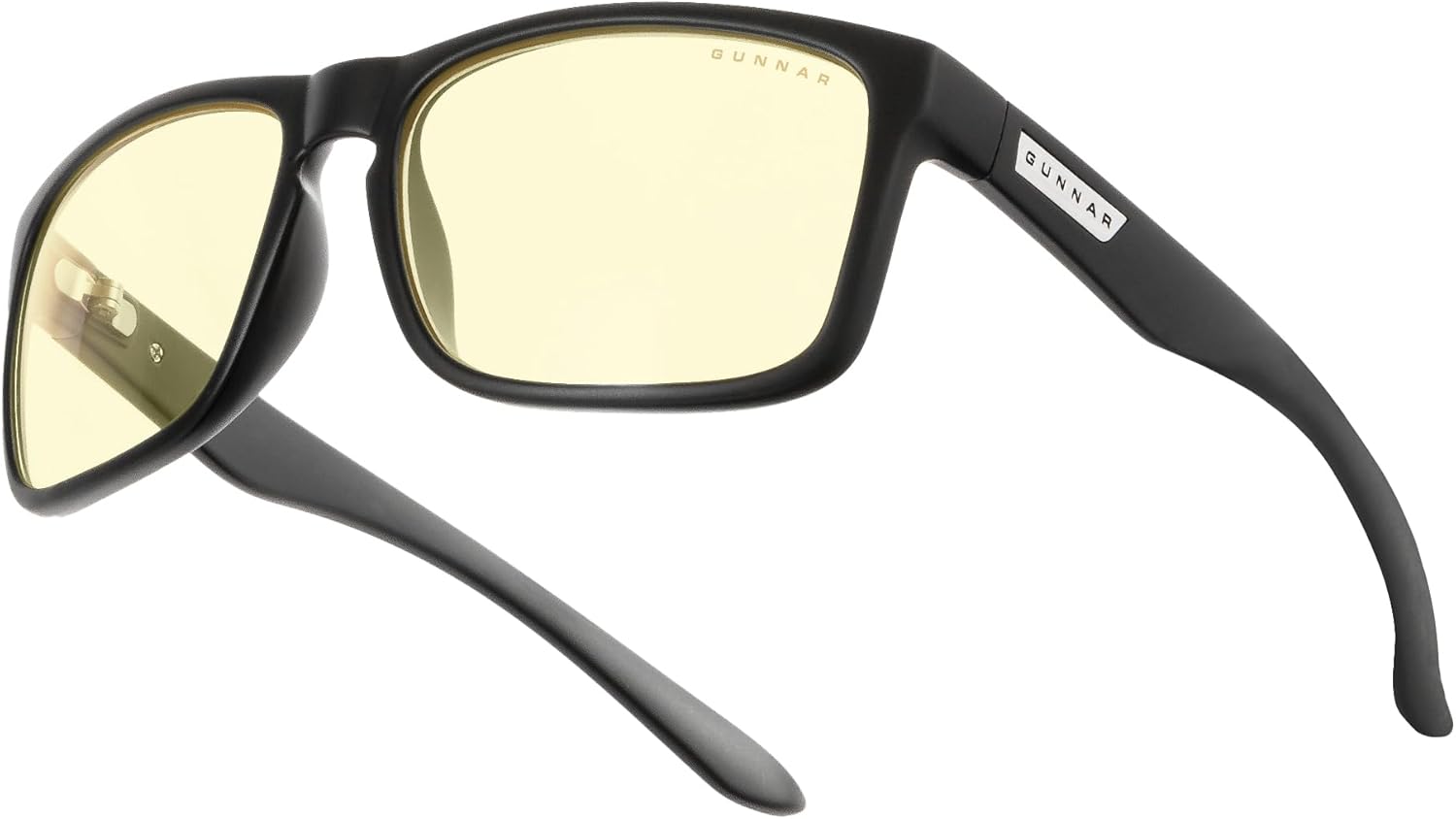
Best Overall
GUNNAR Gaming Eyewear
Usually $60 and up
The frame that lasts, from the one brand that publishes its numbers. Buy it once you know you will wear a pair.
Check current priceRead the full review
Affiliate links — we earn a commission if you buy, at no extra cost to you, and it does not change what we recommend. How we evaluate · disclosure